
What to Expect for Your Child’s First Surgery: A Mom’s Honest Guide
Preparing for your child’s first surgery? A mom shares what to expect, how to cope, and practical tips to ease anxiety before, during, and after pediatric surgery.
MOM LIFE
4/29/20265 min read
What to Expect for Your Child’s First Surgery: Tips from a Mom Who’s Been There — and Is There Again
Updated: 05/02/2026
I have been through this before.
My six-year-old daughter has had two surgeries—ear tubes and eye surgery for strabismus—and I survived both of them. I know what the waiting room feels like. I know what it's like to hand your child to a team of strangers and walk back to a chair and just… sit there.
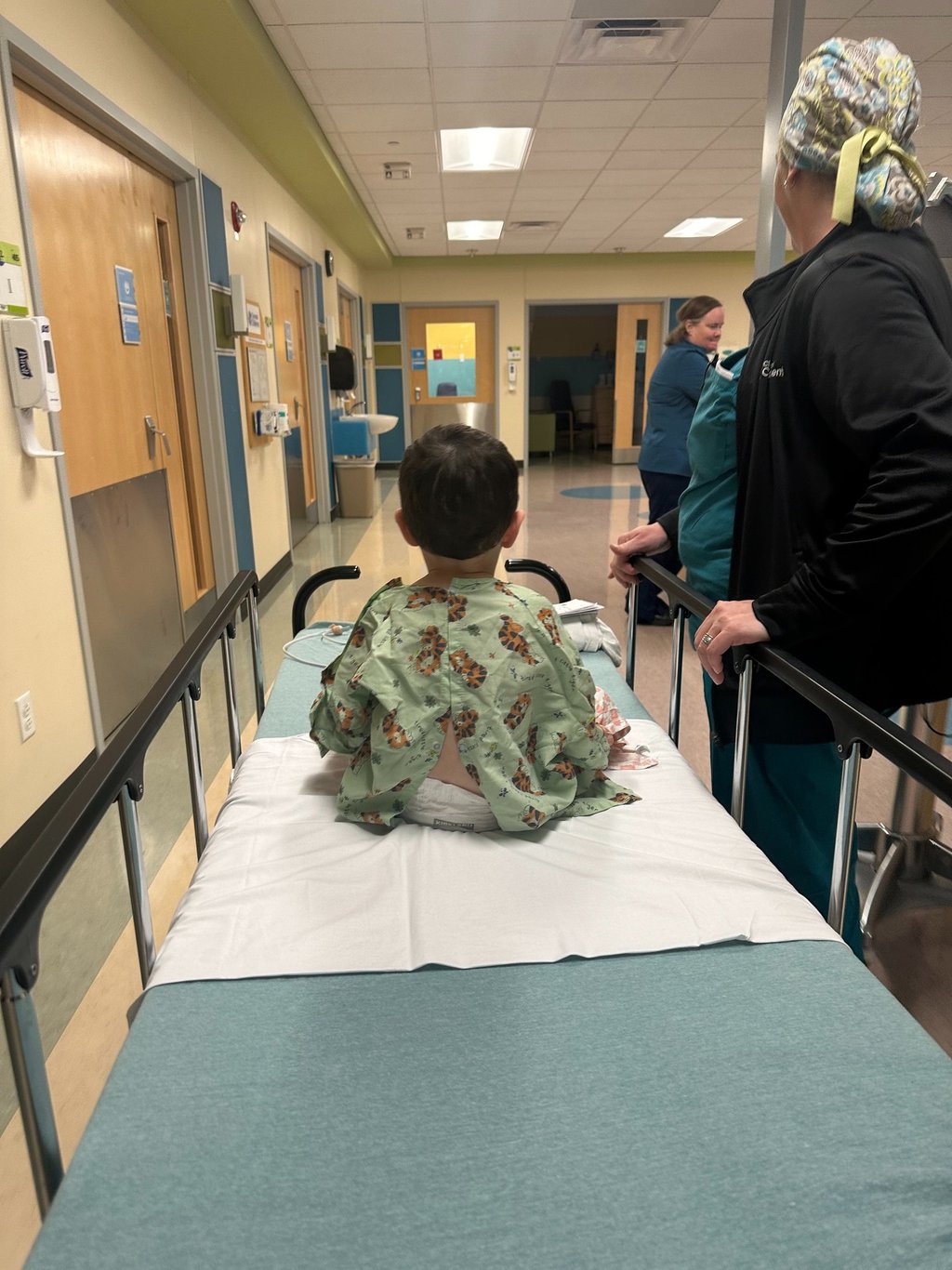
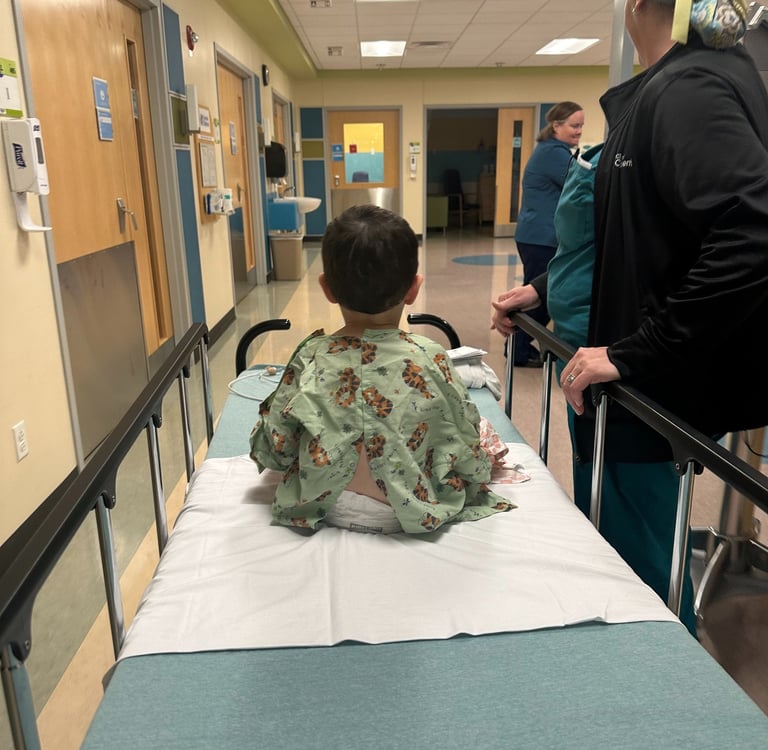
And yet, here I am again. My two-year-old son has surgery this week.
And it still feels hard.
Different, maybe. But hard.
So if you found this post late at night, googling what to expect for your child’s first surgery with a knot in your stomach and a date circled on the calendar—I see you. I am you, just a few steps ahead (and somehow also right in it again).
This is everything I wish someone had told me before my child’s first surgery—the emotional side, the practical side, and the parts no one really explains.
The Anticipation Is the Hardest Part (Even When You Know That)
If you take one thing from this post, let it be this:
The anticipation is almost always worse than the surgery itself.
Before my daughter’s first surgery (ear tubes), I barely slept. I kept replaying every worst-case scenario in my head. The idea of anesthesia felt overwhelming—like handing over control in the most extreme way.
And then the surgery happened.
It lasted ten minutes.
Ten.
Minutes.
I cried the entire time, and when I walked back into recovery, she was sitting on a nurse’s lap eating a popsicle like nothing had happened.
The anticipation is the hardest part. Even when you know that, it doesn’t make it easier. But once you’re past it, they bounce back—faster than you’re ready for.
What the Day of Surgery Actually Looks Like
Let’s talk about the day itself—because this is where I felt the least prepared.
The hardest moment of the entire experience is the handoff.
At some hospitals, parents are allowed to walk their child back and stay while anesthesia begins. I didn’t know this was an option until we were there, so ask your care team ahead of time what your hospital allows.
Being the last person your child sees before they fall asleep is both a gift and a heartbreak.
Because walking out of that room is awful.
It feels like the breath is taken out of your lungs. Like your entire world narrows to a single point you can’t follow. You are suddenly standing in a hallway, trusting strangers with everything that matters most.
And then you wait.
Depending on the procedure, that wait might be ten minutes—or over an hour. Both can feel equally overwhelming in different ways.
What Recovery Can Really Look Like
Recovery can vary more than you expect—and that’s important to understand.
After ear tubes, my daughter was happy and alert almost immediately.
After her eye surgery, it was completely different. She couldn’t open her eyes, she was upset, and it took about five hours before she felt like herself again.
Both experiences were normal, both hard.
There is a wide range of what recovery looks like after pediatric surgery. What you see in that room is not a reflection of how well the procedure went—it’s simply how your child responds.
And then, often faster than you expect, they bounce back.
Kids are incredibly resilient. You may still be processing everything while they’re already asking for snacks and ready to move on.
How to Prepare Your Child for Surgery
If you’re wondering how to prepare a child for surgery, keep it simple and age-appropriate.
Use clear, gentle language. For younger kids, you might say, “The doctor is going to help fix your ears while you take a special nap.”
Reassure them that you’ll be there when they wake up. That’s often what matters most.
If your hospital offers pre-surgery tours or videos, those can help make the experience feel less unfamiliar.
And most importantly—bring comfort from home.
What to Bring to Your Child’s Surgery
If you’re packing for your child’s surgery day, focus on comfort and essentials.
Bring their favorite comfort item—a stuffed animal, blanket, or toy they love. This gives them something familiar in an unfamiliar environment.
Other helpful items include:
Comfortable clothes for after surgery
Snacks and drinks for yourself
A phone charger
Required paperwork or insurance information
You don’t need to overpack. Just think simple, familiar, and comforting.
Taking Care of Yourself Matters Too
This part is easy to overlook—but it matters more than you think.
Your child will pick up on your energy.
If you can stay calm and steady, even on the outside, it helps them feel safe.
That doesn’t mean ignoring your feelings. It means preparing yourself so you can support them.
Try to rest the night before. Eat something. Bring support if you can—a partner, friend, or family member.
The Other Side Is Closer Than It Feels
I am writing this in the week leading up to my son’s surgery.
Part of it feels familiar. Part of it still feels uncertain.
I know the anticipation will be the hardest part.
And somehow, even knowing that, it still is.
But I also know what comes after.
A little boy who recovers faster than I’m ready for. Who won’t remember most of this. Who will be back to playing and asking for snacks before I’ve even fully exhaled.
It will be a hard day.
But it will pass.
And if you’re in that space right now—the waiting, the worrying, the late-night searching—you are not alone.
The other side is closer than it feels.
Update: We Made It — Here's How My Son's Ear Tube and Adenoid Surgery Actually Went
If you found this post because your little one is scheduled for ear tubes, an adenoidectomy, or both at the same time — I wrote this guide for you. And now I'm back with the update I wish I'd had when I was up at 2am googling everything I could find.
My son had his ear tube and adenoid surgery, and I am so relieved to tell you: it went better than I ever could have imagined.
I'm the kind of mom who prepares for the worst and hopes for the best. I had my lists, my questions for the surgeon, my comfort items packed, and a whole lot of nervous energy the morning of. But honestly? The hardest part was the waiting.
He came out of surgery like the absolute champ he is. Within 4 to 5 hours he was back to his usual silly self — running around, making us laugh, acting like nothing had even happened. If your child is scheduled for this same procedure, that timeline is real and it gave me so much peace of mind to know the recovery can genuinely be that fast for little ones.
Every child is different, and every surgery comes with its own set of nerves — but if your doctor has recommended ear tubes or an adenoidectomy for your child, know that you are not alone in that waiting room. Thousands of moms have sat exactly where you are sitting.
You've got this, momma.
STAY CONNECTED
GET IN TOUCH
Questions or ideas?
AngelaMarie@mommakeshome.com
© 2026. All rights reserved